The energy sector is undergoing a transformative shift with the integration of digital twin technology into power grid management. As electricity networks grow increasingly complex, traditional methods of fault simulation and response planning are proving inadequate. Digital twins—virtual replicas of physical systems that update in real-time—are emerging as a game-changing solution for predicting, analyzing, and mitigating power grid failures before they occur in the physical world.
Understanding Digital Twin Applications in Power Distribution
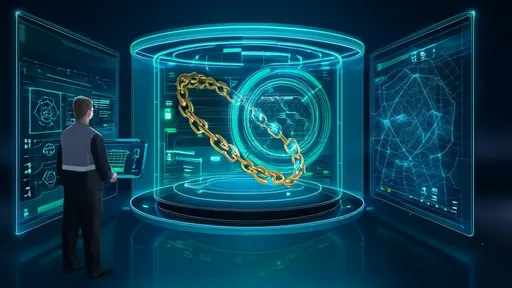
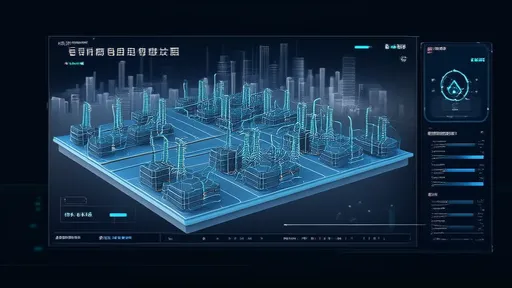
At its core, a digital twin for power distribution networks creates a dynamic, data-driven mirror of the entire grid infrastructure. This includes not just the physical components like transformers, switches, and power lines, but also the operational parameters, environmental conditions, and even the behavior of connected renewable energy sources. By feeding real-world data from IoT sensors, SCADA systems, and weather forecasts into sophisticated algorithms, these virtual models can simulate countless failure scenarios with remarkable accuracy.
The technology goes beyond simple visualization. Advanced digital twins incorporate machine learning to recognize patterns that human operators might miss, predicting equipment failures before they happen based on subtle changes in performance metrics. They can also simulate the cascading effects of a single fault across the network, helping utilities understand how localized issues might trigger wider blackouts.
Transforming Fault Response Strategies
Where digital twin technology makes its most significant impact is in transforming how grid operators prepare for and respond to failures. Traditional approaches relied heavily on historical data and generic response protocols. Digital twins enable what-if analysis at unprecedented scales, allowing operators to test hundreds of potential failure scenarios and response strategies in the virtual environment before implementing them in the real world.
This capability proves particularly valuable as grids incorporate more intermittent renewable energy sources. The fluctuating nature of solar and wind power introduces new stability challenges that digital twins can model with precision. Operators can simulate how cloud cover or sudden wind drops might affect different parts of the network and develop contingency plans accordingly.
During actual outages, digital twins provide real-time decision support. By continuously comparing the virtual model's predictions with actual grid behavior, the system can quickly identify when reality deviates from expectations—a strong indicator of emerging problems. This allows for much faster response times compared to waiting for alarms or customer outage reports.
Implementation Challenges and Solutions
Despite its promise, implementing digital twin technology for power grids presents significant challenges. The computational requirements for simulating large-scale distribution networks in real-time are substantial. Utilities must invest in powerful computing infrastructure and develop or acquire sophisticated simulation software capable of handling the complexity of modern grids.
Data quality and integration pose another hurdle. Digital twins require continuous, high-quality data feeds from across the network. Many utilities struggle with legacy systems that weren't designed for such intensive data sharing. Solving this often requires substantial upgrades to sensor networks and communication infrastructure, along with middleware to integrate disparate data sources.
Perhaps the most significant barrier is organizational. Effective digital twin implementation requires close collaboration between IT specialists, data scientists, and power engineers—groups that traditionally haven't worked closely together. Successful utilities are addressing this by creating cross-functional teams and investing in training to bridge knowledge gaps between these disciplines.
Case Studies Demonstrating Real-World Impact
Several forward-thinking utilities have already demonstrated the technology's potential. One European transmission system operator used digital twins to reduce fault location and isolation times by over 40%, significantly minimizing outage durations. Their system automatically compares real-time measurements with the digital twin's predictions to pinpoint discrepancies, dramatically accelerating the diagnostic process.
In North America, a utility serving a region prone to wildfires has developed a digital twin that incorporates weather data and vegetation conditions to predict which power lines pose the highest risk of sparking fires during extreme conditions. This allows for proactive de-energizing of specific circuits while maintaining service to critical facilities through network reconfiguration—all simulated and validated in the virtual environment first.
Asian utilities in typhoon-prone areas are using the technology to predict which grid components are most vulnerable to storm damage based on wind speed and direction forecasts. This enables targeted prepositioning of repair crews and equipment before storms hit, reducing restoration times by days in some cases.
The Future of Grid Resilience
As the technology matures, we're seeing digital twins evolve from standalone simulation tools into integral components of grid operations. The next generation of systems will likely feature tighter integration with control systems, enabling some automated responses to predicted failures without human intervention. This could be particularly valuable for microgrids and other decentralized energy systems where response times are critical.
Artificial intelligence will play an increasingly prominent role, with machine learning algorithms continuously improving the digital twin's accuracy by identifying new patterns in grid behavior. We may also see the emergence of "twins of twins"—higher-level models that simulate interactions between multiple digital twins representing different regional grids or even entire national electricity systems.
The ultimate goal is creating self-healing grids that can anticipate and adapt to problems automatically. While we're still some years from that vision, digital twin technology is clearly paving the way. For utility executives and grid operators, the message is clear: those who invest in building and refining their digital twins today will be far better positioned to handle the energy challenges of tomorrow.
As climate change increases the frequency of extreme weather events and the energy transition reshapes power generation and consumption patterns, digital twins offer a powerful tool for maintaining grid reliability. The technology represents not just an incremental improvement in grid management, but a fundamental rethinking of how we anticipate and respond to power system failures in an increasingly complex electrical landscape.
By /Aug 7, 2025
By /Aug 7, 2025
By /Aug 7, 2025
By /Aug 7, 2025
By /Aug 7, 2025
By /Aug 7, 2025
By /Aug 7, 2025

By /Aug 7, 2025
By /Aug 7, 2025
By /Aug 7, 2025
By /Aug 7, 2025
By /Aug 7, 2025
By /Aug 7, 2025
By /Aug 7, 2025
By /Aug 7, 2025
By /Aug 7, 2025
By /Aug 7, 2025
By /Aug 7, 2025
By /Aug 7, 2025
By /Aug 7, 2025
