In the realm of forensic science and security technology, the ability to identify materials based on footsteps has emerged as a groundbreaking innovation. Footstep material identification libraries are sophisticated databases that analyze the acoustic and vibrational signatures produced when a person walks on different surfaces. These libraries are transforming how investigators and security systems operate, offering a non-intrusive yet highly effective method for tracking and identifying individuals.
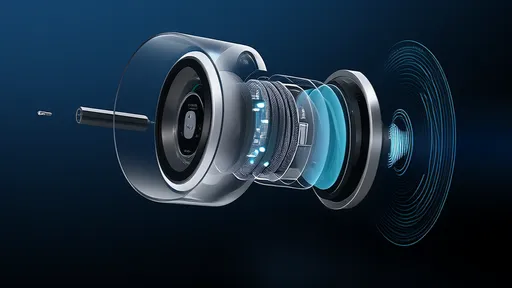
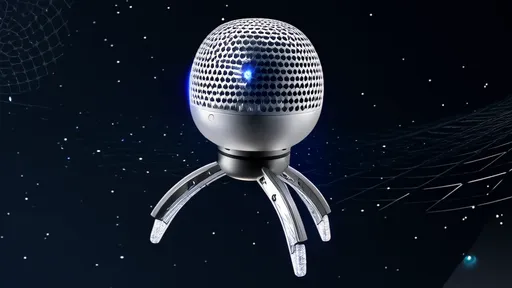
The concept behind these libraries is rooted in the physics of sound and vibration. Every material, from concrete to carpet, generates a unique acoustic footprint when subjected to pressure. Advanced sensors and machine learning algorithms are employed to capture and categorize these signatures. Over time, the libraries grow more accurate, enabling precise identification even in complex environments where multiple materials may be present.
One of the most compelling applications of this technology is in forensic investigations. Crime scenes often contain footprints that can reveal critical information about suspects. Traditional methods rely on visual analysis, which can be limited by environmental factors. With footstep material identification, investigators can determine not just the type of shoe worn but also the surfaces the suspect walked on before arriving at the scene. This adds a new layer of contextual data that was previously inaccessible.
Security systems are another area where this technology is making waves. High-security facilities, such as government buildings or research labs, are integrating footstep recognition into their surveillance networks. Unlike biometric systems that require direct interaction, footstep analysis operates passively. It can detect unauthorized individuals based on their walking patterns and the materials they traverse, providing an additional security layer without disrupting daily operations.
The development of these libraries is not without challenges. Ambient noise, varying walking speeds, and the presence of multiple individuals can complicate data collection. Researchers are continuously refining algorithms to filter out these variables, ensuring higher accuracy. Additionally, ethical considerations around privacy must be addressed, as the technology could potentially be misused for unwarranted surveillance.
Looking ahead, the potential applications of footstep material identification libraries are vast. From smart homes that adjust lighting and temperature based on residents' movements to urban planning tools that analyze pedestrian traffic flows, the possibilities are endless. As the technology matures, it will likely become a staple in both security and everyday life, bridging the gap between physical movement and digital analysis.
The future of footstep material identification libraries is bright, offering a blend of innovation and practicality that few technologies can match. By turning something as mundane as walking into a rich source of data, these libraries are redefining what’s possible in forensic science and beyond.

By /Aug 7, 2025

By /Aug 7, 2025

By /Aug 7, 2025

By /Aug 7, 2025

By /Aug 7, 2025

By /Aug 7, 2025

By /Aug 7, 2025

By /Aug 7, 2025

By /Aug 7, 2025

By /Aug 7, 2025
By /Aug 7, 2025

By /Aug 7, 2025
By /Aug 7, 2025

By /Aug 7, 2025

By /Aug 7, 2025

By /Aug 7, 2025

By /Aug 7, 2025

By /Aug 7, 2025

By /Aug 7, 2025

By /Aug 7, 2025
