The world of user interface design has undergone a quiet revolution in recent years, one that many consumers experience daily without fully appreciating. At the heart of this transformation lies haptic feedback technology - the science of tactile responses in digital interfaces. What began as simple vibration alerts in early mobile phones has evolved into a sophisticated language of touch that profoundly shapes how we interact with technology.
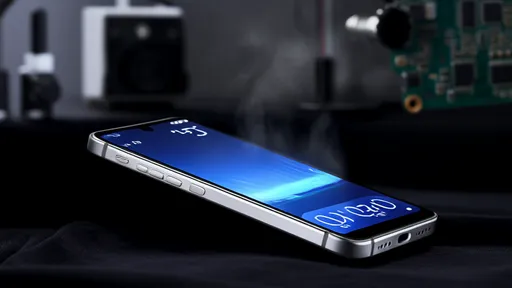
Modern smartphones have raised user expectations to unprecedented levels. Consumers now demand interfaces that don't just work visually, but that feel right at their fingertips. This shift has forced manufacturers and developers to reconsider every tap, swipe, and press through the lens of tactile response. The difference between good and exceptional user experience often comes down to milliseconds of vibration timing and subtle variations in intensity.
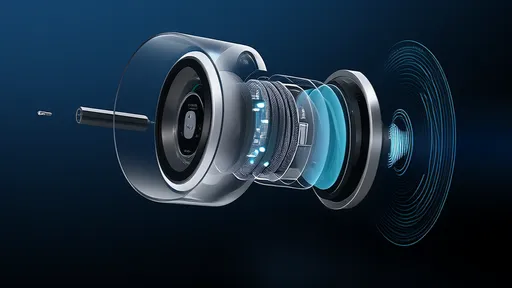
Apple's Taptic Engine stands as a prime example of this evolution. Unlike traditional vibration motors that produce generic buzzing, this system generates precise, nuanced taps that can mimic the sensation of pressing physical buttons. The technology has become so refined that many users report phantom vibrations from their phones even when no notification arrived - a testament to how deeply these tactile cues embed themselves in our perception.
Gaming controllers represent another frontier for haptic innovation. The latest generation of gamepads incorporates advanced feedback systems that can simulate everything from light rainfall to the tension of drawing a bowstring. This tactile layer adds profound depth to gameplay, creating emotional connections that visual and auditory cues alone cannot achieve. Developers are discovering that properly tuned vibration patterns can significantly affect player performance and immersion.
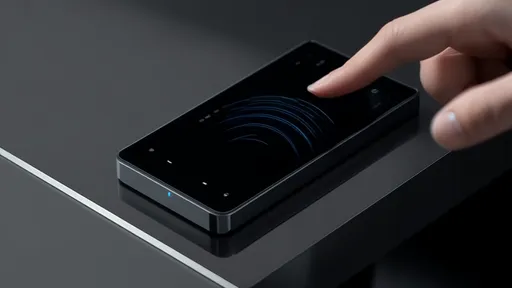
The automotive industry has quietly embraced haptic technology as touchscreens replace physical controls in vehicle dashboards. Engineers face the unique challenge of creating feedback systems that provide confirmation without distracting drivers. Premium vehicles now employ localized vibrations that make specific areas of the touchscreen appear to physically click when pressed. This solution maintains safety while satisfying the human need for tactile confirmation.
Medical applications demonstrate perhaps the most crucial implementation of haptic refinement. Surgical robots and diagnostic equipment increasingly rely on precise tactile feedback to guide practitioners through delicate procedures. The difference between optimal and excessive vibration in these scenarios could literally mean life or death. Researchers continue pushing the boundaries of what's possible, developing systems that can simulate the feel of different tissue types or provide subtle alerts about instrument pressure.
Wearable technology presents unique challenges for feedback optimization. Smartwatches and fitness trackers must communicate information through the smallest viable vibrations while conserving precious battery life. Designers have developed clever solutions like patterned alerts that users can recognize without looking at their devices. The rhythm and duration of vibrations can indicate whether an incoming call comes from a family member or colleague, or whether a fitness goal has been achieved.
Virtual reality systems stand to benefit enormously from advances in haptic technology. Current VR controllers already provide basic vibration feedback, but next-generation solutions aim to simulate texture, resistance, and even temperature changes. Startups are developing gloves that can recreate the sensation of touching different materials, while full-body suits promise to make virtual experiences feel startlingly real. These developments could finally bridge the gap between digital and physical worlds.
The psychology behind effective haptic design reveals why these details matter so much. Studies show that properly tuned tactile responses create stronger emotional connections to devices and applications. Users report higher satisfaction with interfaces that provide appropriate feedback, even if they can't consciously articulate why. This subconscious effect explains why companies invest millions in perfecting vibrations that last fractions of a second.
Looking ahead, the future of haptic technology points toward increasingly personalized experiences. Machine learning algorithms may soon adapt feedback patterns to individual users' preferences and sensitivity. We might see devices that learn whether their owner prefers strong, distinct vibrations or subtle pulses. Some researchers even speculate about emotional haptics - systems that adjust their tactile responses based on the user's detected mood.
As our world becomes more digital, the human need for physical interaction remains unchanged. Haptic technology serves as the bridge between these realms, providing the tactile satisfaction that our brains crave from interactions. The companies that recognize this fundamental truth and invest in perfecting their touch feedback will create products that feel instinctively right to users - in every sense of the word.

By /Aug 7, 2025
By /Aug 7, 2025

By /Aug 7, 2025

By /Aug 7, 2025
By /Aug 7, 2025

By /Aug 7, 2025

By /Aug 7, 2025

By /Aug 7, 2025
By /Aug 7, 2025
By /Aug 7, 2025
By /Aug 7, 2025
By /Aug 7, 2025
By /Aug 7, 2025
By /Aug 7, 2025
By /Aug 7, 2025

By /Aug 7, 2025

By /Aug 7, 2025
By /Aug 7, 2025

By /Aug 7, 2025
By /Aug 7, 2025
